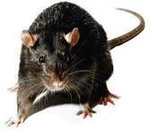
Rats and mice are very adaptable public health pests. They are not fussy eaters and make themselves at home in houses, roof voids, subfloors, sheds, garages and gardens, and in warehouses, factories, drains, wharves, food production premises and restaurants.
They damage buildings and create foul smells with their colonies. Their gnawing through pipes, conduits and electrical wiring has caused electrical fires all over Australia.
Good rat and mouse control starts with the first inspection: finding where they nest and the paths they travel. Treatment usually combines chemical and physical methods, depending on the area, using current bait and attractant products.
Pest Patrol WA uses tamper-proof bait stations to lock poisons away from family, pets and the public, and baits that cannot cause secondary poisoning to pets. Stations go in the roof void, inside the house and outside, with liquid stations in the roof void.
Rodents are territorial: when one family goes, another can move in a week, a month or a year later. If you have palm trees with nuts, fruit trees, heavy vegetation, water such as a river or drains, or aviaries or chickens nearby (including the neighbours'), rodents will probably come back within a year.
Rodents are cautious and take a few days to start using a new bait or drinking station. They only need to feed once. Most die where they nest, usually in burrows outside. On average, about one property in ten has a rodent die somewhere like the roof void; if that happens, call us about the removal service.
Questions about mice & rodents
All answersIf my dog eats a poisoned rat, will it kill him?
No. A rat only needs a small amount of bait to get a lethal dose, so your dog would only come into contact with a very small amount. Secondary poisoning is not common with modern rodenticides. If you suspect your dog has been poisoned, call your vet, who can give a vitamin K injection as an antidote.
Will the rats or mice die in my roof after eating the bait?
Rats usually live in burrows below ground or in rubbish and wood piles, and the bait takes 3 to 7 days to work, so they are much more likely to die outside. If one does die inside, it can be removed and the area deodorised as part of another service.
Will my dog or cat be attracted to the baits?
No. The bait contains Bitrex, a bittering agent that makes it taste unpleasant to pets and people. Baits are also placed where pets cannot reach them, in lockable stations.
What damage can rats do to my property?
Rats eat building materials, stored products and food. They have caused many house fires by chewing through wiring, and they can spread a wide range of diseases.
Free, no-obligation appraisal. Ask for Katie or John.
- Office(08) 9562 5903
- Mobile0422 708 495
- Emailkatie@pestpatrolwa.com.au